Discover the definitive timeline of Fortnite's creation and evolution from its initial announcement to its global phenomenon status. This comprehensive guide provides crucial dates and insights into Fortnite's development journey offering gamers a clear understanding of when the game was created and how it transformed into the cultural titan it is today. Learn about the early access launch the Battle Royale release and key milestones that shaped its massive success. Whether you're a long-time player or new to the island understanding Fortnite's origins can deepen your appreciation for its continuous innovation and impact on the gaming world. We dive into the specific moments that led to Fortnite becoming one of the most played and talked about games globally providing an essential resource for anyone curious about its historical roots and ongoing legacy. This informational resource ensures you have all the facts about Fortnite's inception and growth at your fingertips.
When Exactly Was Fortnite Created and Released?
Fortnite was officially announced in 2011. However, its first public release, the cooperative "Save the World" mode, launched into Early Access on July 25, 2017. The wildly popular free-to-play "Battle Royale" mode, which catapulted the game to global fame, was released shortly after on September 26, 2017.
Who is the Developer Behind Fortnite's Creation?
Fortnite was created and developed by Epic Games, a prominent American video game company based in Cary, North Carolina. Founded by Tim Sweeney, Epic Games is also renowned for developing the Unreal Engine, a powerful game engine used across countless other titles, and for its digital storefront, the Epic Games Store.
Why Was Fortnite Initially Developed as "Save the World" and Not Battle Royale?
Fortnite was originally conceived as a cooperative player-versus-environment survival game called "Save the World." Players would build forts and defend against zombie-like creatures. The Battle Royale mode was a later addition, developed rapidly in response to the massive success of PlayerUnknown's Battlegrounds, leveraging existing Fortnite assets and mechanics.
What Were the Key Milestones in Fortnite's Creation and Early Development?
Key milestones include its 2011 announcement, a long development period, the "Save the World" Early Access launch on July 25, 2017, and the pivotal "Battle Royale" mode release on September 26, 2017. The transition to a free-to-play model for Battle Royale also marked a significant turning point, ensuring widespread accessibility and rapid growth.
How Did Epic Games Announce Fortnite's Creation to the Public?
Epic Games first announced Fortnite at the Spike Video Game Awards in 2011 with a teaser trailer, showcasing its unique blend of building and zombie-survival elements. After years of quiet development and limited public showings, further details emerged leading up to its "Save the World" Early Access launch in 2017, followed by the Battle Royale announcement.
Is the Original "Save the World" Mode Still Playable After Fortnite's Creation of Battle Royale?
Yes, the original "Save the World" mode is still very much playable today. While "Battle Royale" became free-to-play, "Save the World" remains a paid cooperative PvE experience. Players who purchased it can continue to enjoy its unique gameplay, story, and progression systems, distinct from the popular Battle Royale mode.
When Did Fortnite Become a Free-to-Play Game Across All Platforms?
Fortnite's Battle Royale mode became entirely free-to-play across all available platforms upon its release on September 26, 2017. This strategic decision was crucial to its explosive growth, lowering the barrier to entry significantly and allowing millions of players to jump in without an initial purchase, contributing to its massive global appeal.
Hey fellow gamers! Ever find yourself looking back at iconic games and wondering, "When was Fortnite created, anyway?" It's a question many of us who juggle work, family, and a passion for gaming often ponder. In our busy lives, keeping up with every new release and game update can feel like a full-time job. We want to dive into games that offer real fun, skill-building, and a chance to connect with friends, but without the endless hype or complicated setups.
Fortnite is one of those rare games that has truly stood the test of time, evolving consistently to stay fresh and engaging. It’s more than just a game; for many of us, it’s a virtual hangout spot, a creative outlet, and even a way to de-stress after a long day. With over 87% of US gamers regularly engaging with their favorite titles and dedicating an average of 10+ hours a week, gaming is a vital part of modern life. And in this landscape, understanding the roots of a titan like Fortnite isn't just trivia; it helps us appreciate its journey and why it continues to be a go-to for so many. This guide will cut through the noise, offering clear, concise answers to when Fortnite was created and how it became the cultural force it is today, helping you stay current without wasting your precious gaming time.
When Was Fortnite Created A Deep Dive Into Its Origins
The story of Fortnite's creation officially began with its announcement in 2011 by Epic Games. However, like many ambitious projects, it underwent a long development cycle. Initially, Fortnite was envisioned as a cooperative player-versus-environment (PvE) game, focusing on exploration, crafting, base-building, and defending against waves of zombie-like creatures. This early concept was known as "Fortnite: Save the World." It was a distinctly different game from the Battle Royale mode that would later define its global success, showcasing Epic Games' early focus on survival and building mechanics.
What Was Fortnite's Initial Vision Before Battle Royale
Before the Battle Royale craze took over, Fortnite's original vision centered entirely around its "Save the World" mode. Players were tasked with gathering resources during the day, constructing fortified bases, and then defending them from Husks, the game's primary antagonists, at night. It combined elements of popular crafting games with tower defense and third-person shooter mechanics. This paid PvE experience was the sole focus for Epic Games for years, and it eventually launched into Early Access on July 25, 2017, laying much of the foundational gameplay and art style that would later be adapted for its more famous sibling.
Who Developed Fortnite And What Else Are They Known For
Fortnite was developed by Epic Games, a highly respected American video game company based in Cary, North Carolina. Founded by Tim Sweeney, Epic Games has a rich history in the gaming industry, stretching back to 1991. They are perhaps most famous for creating the Unreal Engine, a powerful and widely used game engine that powers countless other titles across various platforms, including many you might play today. Beyond Fortnite, Epic Games is also known for iconic series like Unreal Tournament and Gears of War, demonstrating their long-standing expertise in groundbreaking game development and technology.
When Did Fortnite Battle Royale Launch And Why Was It Separate
The game-changing Fortnite Battle Royale mode launched on September 26, 2017, just a couple of months after the "Save the World" Early Access. This rapid development was a direct response to the explosive popularity of PlayerUnknown's Battlegrounds (PUBG), which had taken the gaming world by storm. Epic Games saw an opportunity to quickly pivot, leveraging the existing building mechanics, weapon systems, and art assets from "Save the World" to create their own take on the battle royale genre. They wisely decided to release Battle Royale as a completely free-to-play mode, separate from the paid "Save the World" experience, a strategic move that proved instrumental in its unprecedented growth and accessibility.
How Did Fortnite Evolve From Early Access to Global Phenomenon
Fortnite's evolution from a niche early access title to a global phenomenon was nothing short of meteoric. The free-to-play model for Battle Royale was a massive accelerator, eliminating financial barriers for millions of players. Coupled with continuous, often weekly, content updates – new weapons, skins, emotes, and map changes – the game always felt fresh. Epic Games also embraced cross-platform play early on, allowing friends on PC, console, and mobile (a significant trend, with over 60% of US gamers playing on mobile regularly) to play together, fostering a massive and interconnected community. The game's vibrant, cartoony art style also appealed to a broad audience, distinguishing it from its grittier battle royale competitors.
What Key Milestones Shaped Fortnite's Development Timeline
Several key milestones define Fortnite's journey. It began with the 2011 announcement, followed by years of quiet development. The launch of "Save the World" Early Access on July 25, 2017, marked its first public availability. However, the true turning point was the Battle Royale mode's free-to-play release on September 26, 2017. Subsequent milestones include the introduction of "Seasons" with Battle Passes, the groundbreaking "The End" event leading to Chapter 2 in 2019, and the continuous integration of pop culture collaborations with Marvel, Star Wars, and music artists. These events consistently reignited player interest and cemented its status as a live-service game constantly reinventing itself.
Is Fortnite Still Popular Today Considering Its Age
Absolutely! Despite its age, Fortnite remains incredibly popular, consistently ranking among the most-played and watched games globally. Its longevity is a testament to Epic Games' commitment to innovation. The game regularly introduces new mechanics, entire game modes like Fortnite Festival, LEGO Fortnite, and Rocket Racing, and fresh seasons that drastically alter the map and gameplay. Moreover, social gaming is a huge driver for US gamers, with over 70% playing to connect with friends, and Fortnite's robust social features, from voice chat to custom creative islands, keep players engaged and coming back for more, proving its enduring appeal even years after its creation.
How Does Knowing Fortnite's History Help Current Players
Understanding when Fortnite was created and its journey offers several benefits for current players. First, it provides context for the game's unique mechanics, like building, which originated in "Save the World." If you've ever wondered why building feels so integral, it's because it was core to the game's initial design. Second, it explains the constant updates and seasonal model, reflecting Epic's commitment to a live-service experience that keeps content flowing. For those balancing gaming with life, knowing this history helps appreciate the effort behind maintaining a game that continues to offer fresh experiences without constant new purchases, reinforcing its value for money. It also helps manage expectations for performance, understanding that the game has evolved significantly from its original code base, potentially impacting optimization on older hardware.
What Were Some Early Challenges in Fortnite's Development
Fortnite's early development wasn't without its challenges. The long development cycle from its 2011 announcement to its 2017 early access release points to the complexities of realizing its ambitious initial vision. Integrating deep crafting, base-building, and action elements into a cohesive PvE experience took considerable time and refinement. Additionally, pivoting so rapidly to create Battle Royale mode in response to PUBG's success, while a stroke of genius, undoubtedly put immense pressure on the development team to deliver a polished and engaging experience in a very short timeframe. Balancing the ongoing development of "Save the World" with the new Battle Royale mode also presented resource allocation challenges for Epic Games.
Can I Still Play the Original Save the World Mode
Yes, you absolutely can still play the original "Save the World" mode today. While the free-to-play Battle Royale mode garnered immense mainstream attention, "Save the World" remains a separate, paid cooperative experience within the Fortnite launcher. It offers a distinct gameplay loop centered around missions, hero progression, and its own storyline. For players who enjoy a more structured, progression-based PvE experience with friends, "Save the World" provides a deep and rewarding alternative to the fast-paced competitive nature of Battle Royale. It's a great way to explore the foundational elements of Fortnite's creation.
As we've explored, the journey of when Fortnite was created is a fascinating tale of ambitious vision, strategic pivots, and relentless innovation. From its initial concept in 2011 to the global phenomenon it is today, Fortnite has continually adapted to player demands and market trends, providing a unique blend of creativity, competition, and community. It’s a game that respects your time, offering diverse experiences whether you’re looking to unwind, build skills, or simply connect with friends across platforms. Its deep history is a testament to its enduring quality and Epic Games' commitment to keeping things fresh.
What's your biggest gaming challenge when it comes to keeping up with titles like Fortnite? Comment below and share your thoughts!
FAQ Section
When was Fortnite first announced to the public?
Fortnite was first officially announced by Epic Games at the Spike Video Game Awards in December 2011, revealing its original cooperative building-survival concept.
Was Fortnite always free to play?
No, the original "Save the World" mode launched as a paid Early Access game. Only the "Battle Royale" mode, released later, was made free-to-play from its inception.
What is the exact release date for Fortnite Battle Royale?
Fortnite Battle Royale was officially released as a free-to-play standalone mode on September 26, 2017, quickly skyrocketing the game to global fame.
Who is the founder of Epic Games, the developer of Fortnite?
Epic Games was founded by Tim Sweeney, who has been instrumental in the company's long history and the development of the Unreal Engine and games like Fortnite.
How long was Fortnite in development before its first release?
Fortnite was in development for approximately six years, from its announcement in 2011 until the Early Access launch of "Save the World" in July 2017.
Has Fortnite always supported cross-platform play?
Epic Games was an early and strong advocate for cross-platform play, allowing Fortnite to quickly support gamers across PC, consoles, and mobile devices, fostering its massive community.
Fortnite's official announcement 2011 Save the World Early Access July 2017 Battle Royale mode September 2017 Free to play model Epic Games development Global gaming phenomenon
35
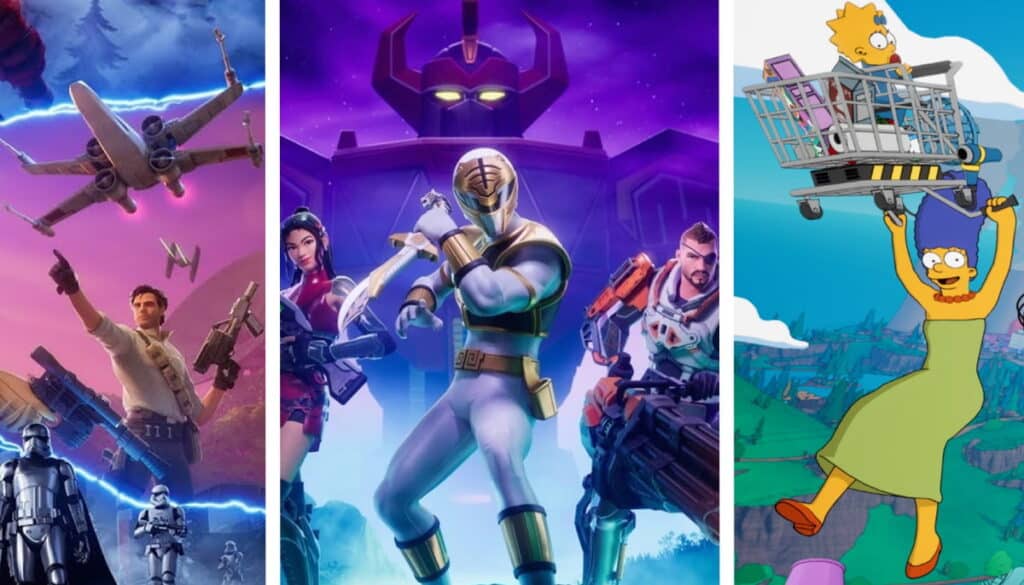

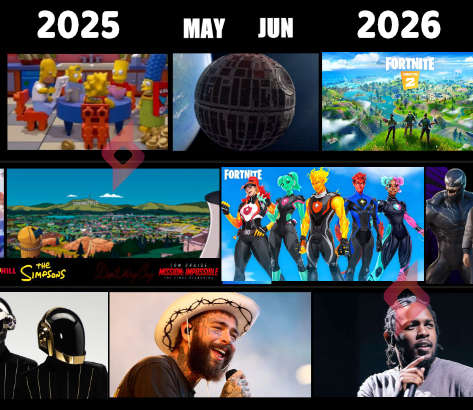
Epic Games Fortnite 2026 GAM3S GG Medium Epic Games Big Plans For Fortnite In 2026 69258cbfb1 . FORTNITE ANNUAL ULTIMATE GUIDE 2026 Pbr KSI KA 18236208178 FORTNITE ANNUAL ULTIMATE GUIDE 2026 Pbr KSIAZKA. Where Can Fortnite Go In 2026 The Future Of Epic Games Battle Royale Fortnite 2026 Where Can Epic Games Battle Royale Go Next Large . Fortnite Roadmap Voor 2026 Aankomende Seizoenen En Belangrijke Battle Fortnite Roadmap 2026 For Chapter 7.webp. La Roadmap Fortnite 2025 2026 Fuit Les Th Mes Saisons Venir La Roadmap Fortnite 2025 2026 A Fuite Les Themes Saisons A Venir Leaked


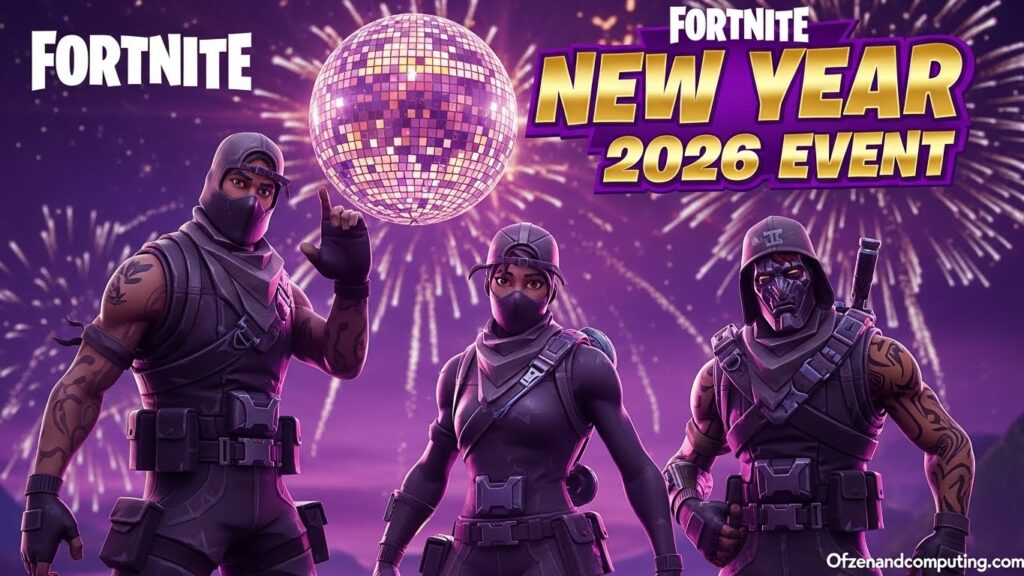
100 Unofficial Fortnite Annual 2026 Perfect For Fans Of The Game 81G2 9oOcUL. SL1500 . Definitive Guide To Fortnite 2026 Annual Official Book TM 07166 Definitive Guide To Fortnite 2026 3 . Fortnite 2026 Which Modes Are Closing And When Fortnite Is Shutting Down Modes . Fortnite New Year 2026 Event Guide Times Tips How To Watch Fortnite New Year 2026 Event Guide 1024x576 . Fortnite New Year 2026 Event March 2026 Schedule Guide Fortnite New Year 2026 Event 1024x576


Fortnite 2026 Roadmap AI Bots And App Store Return Fortnite AI Technology . Fortnite 2026 Competitive Roadmap Revealed Fortnite Tracker 1 . Fortnite Series 2026 8M Prize Pool New Format Esports Untitled Design 56 . Fortnite Series 2026. Where Can Fortnite Go In 2026 The Future Of Epic Games Battle Royale Where Can It Go In 2026
Fortnite Series 2026. Fortnite In 2026 Evolving Into A Full Fledged Metaverse Hub. Fortnite S Entire Update Schedule For 2026 Has Been Revealed Fortnite Press Image 1 . All Fortnite 2026 Rumored And Leaked 64eaf 1920 . Fortnite S Evolution What To Expect In 2026 2027 LevelUpTalk Fortnite Characters Action 12 27 2025 7992fd61 4eb7 43d7 880b

Fortnite Winterfest 2026 Everything To Know 77d882f7 D248 4fa3 Be91. FNCS 2026 Fortnite Returns To Duos Format With Four LAN Events And Fortnite Blitz Royale Header 1024x576 . Everything In Fortnite 2026 Roadmap Everything In Fortnite 2026 Roadmap 01 . Fortnite Series 2026 Will Have A 10M Prize Pool ExitLag Fncs 2026 Format 1. Fortnite FNCS 2026 Roadmap Upcoming Events Duos Mode And 1M Mobile Fortnite FNCS 2026 Roadmap Upcoming Events Duos Mode And 1M Mobile Cup 2
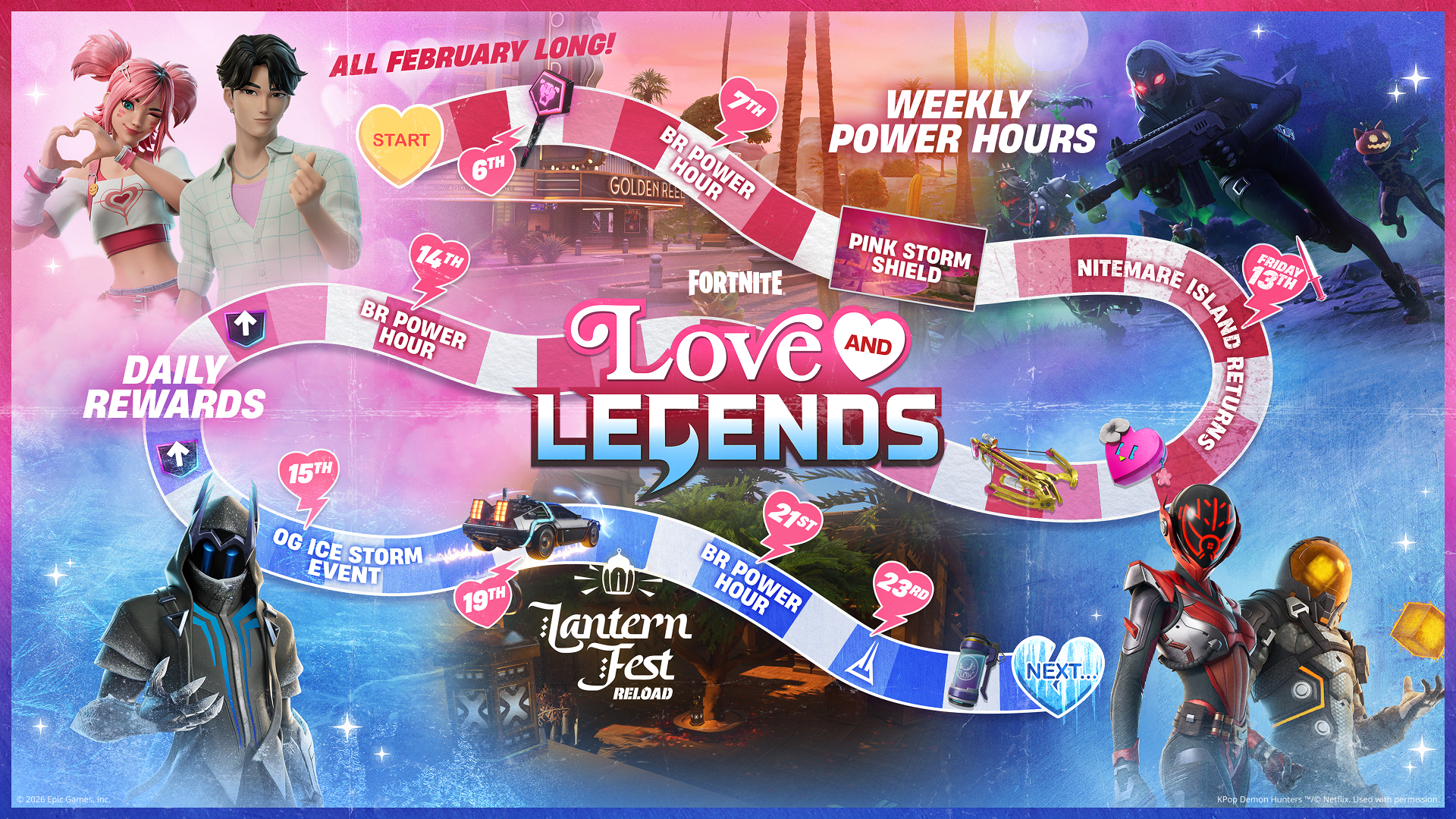
Fortnite Roadmap 2026 All New Seasons And Major Battle Royale Updates Fortnite Showdown Rivalries . Fortnite S 2026 Roadmap Locks In Every Update Season Change And Image 959 1 . Fortnite Roadmap 2026 All New Seasons And Major Battle Royale Updates Fortnite Roadmap 2026 . Fortnite February 2026 Roadmap Love Legends Event Collabs More Fortnite Roadmap . Fortnite New Year 2026 Event Schedule Countdown Fortnite New Year 2026 Event Schedule And
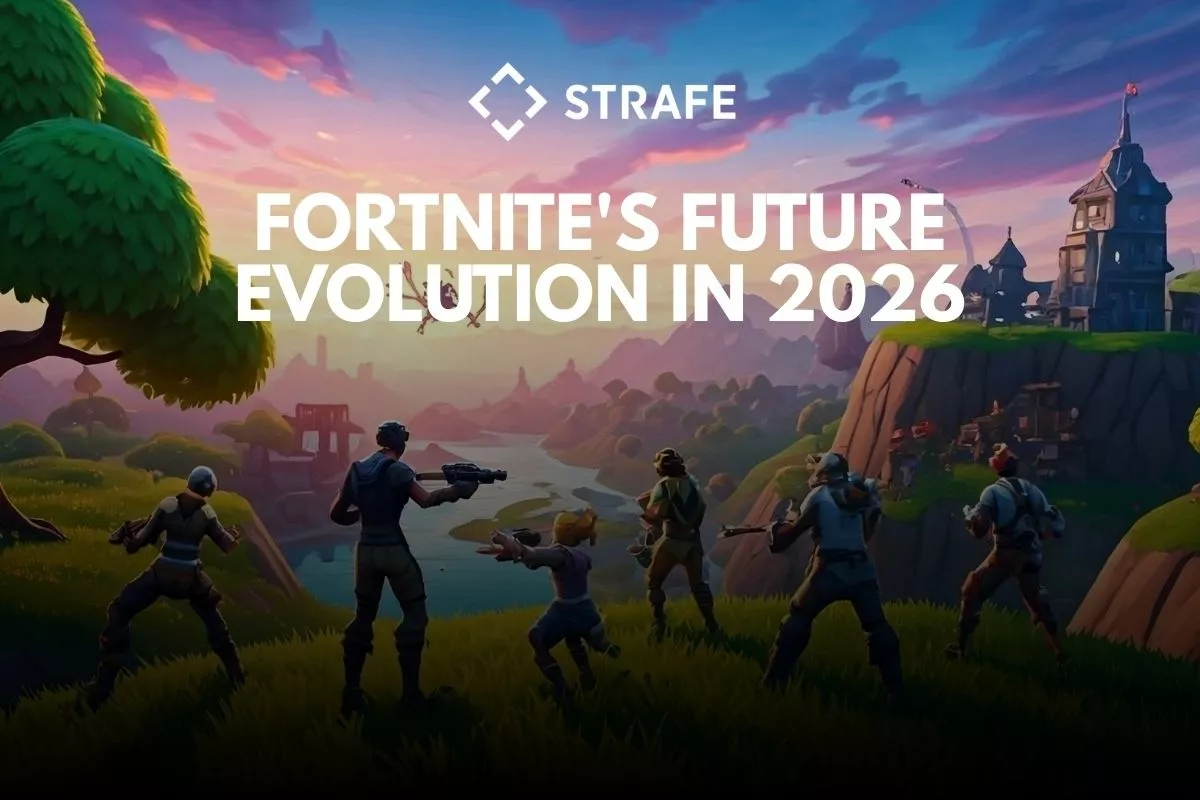
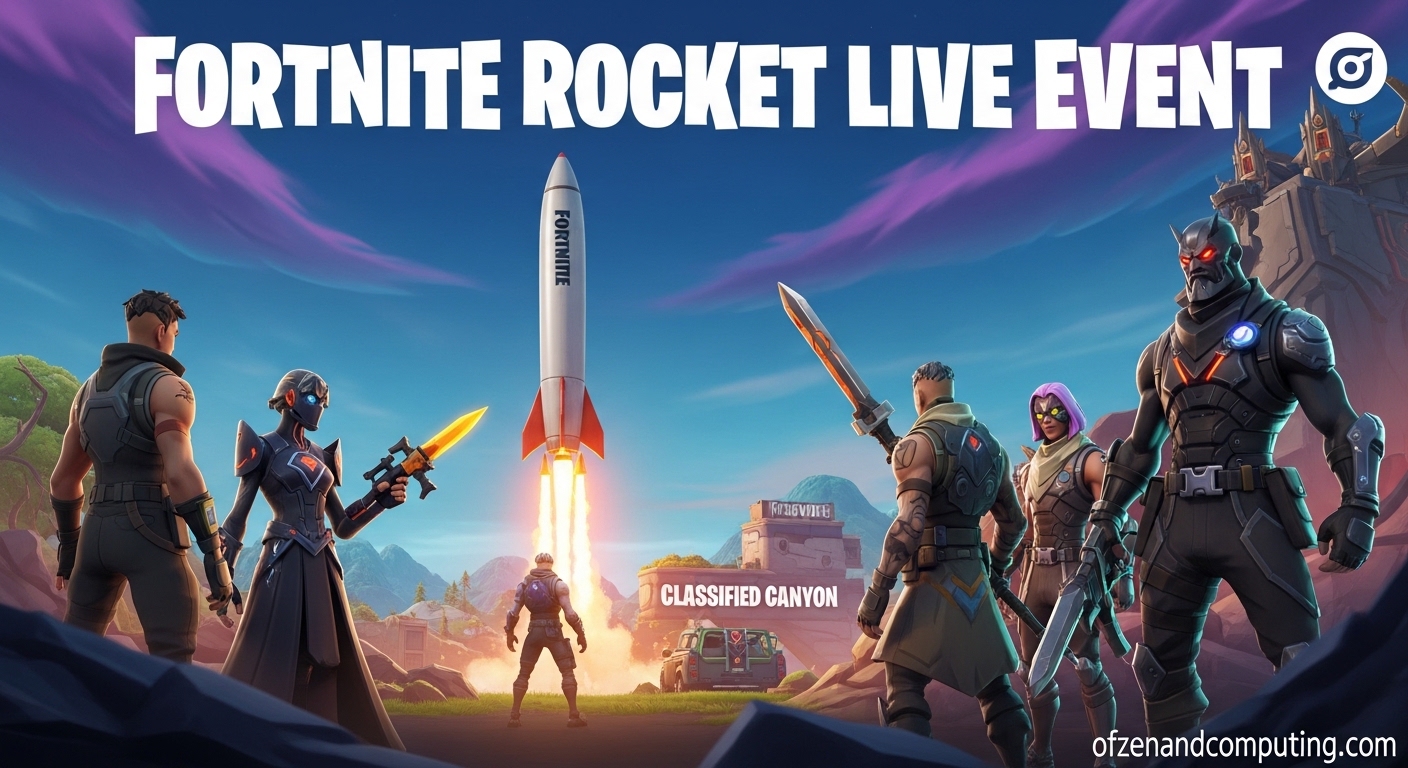
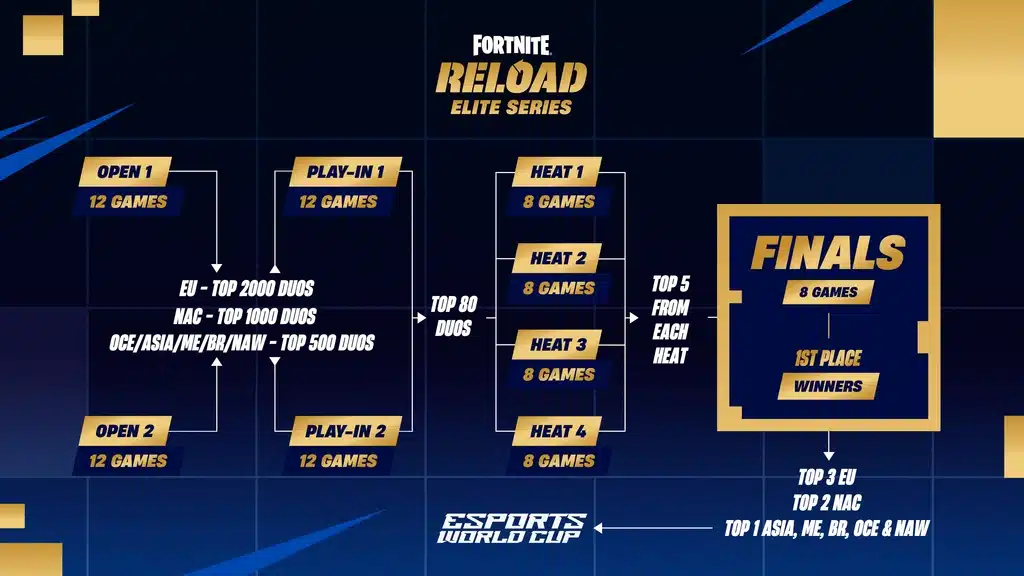
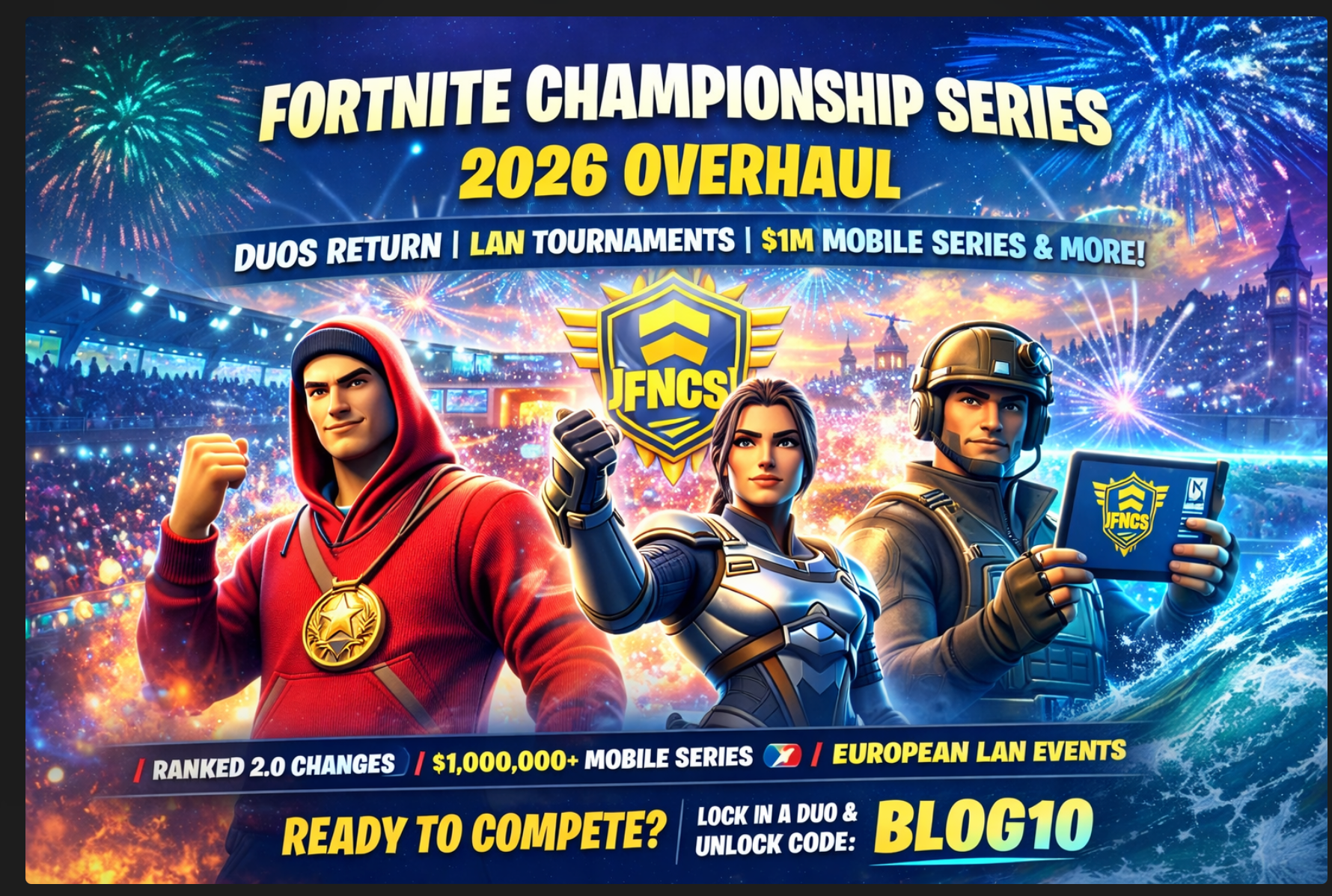

Where Can Fortnite Go In 2026 Insights On Fortnite S Future Fortnites Future Evolution In 2026 .webp. Fortnite Rocket Live Event March 2026 Complete Chapter 7 Guide Fortnite Rocket Live Event . All 2026 Fortnite Reload Elite Series Qualified Duos Fortnite Esports World Cup 2026. Fortnite Series 2026 Roadmap Formats Major Competi Screenshot 2025 12 24 At 10.02.55 AM . Fortnite FNCS 2026 Roadmap Upcoming Events Duos Mode And 1M Mobile Fortnite FNCS 2026 Roadmap Upcoming Events Duos Mode And 1M Mobile Cup 3