Ever wonder how gaming profoundly transformed our social interactions? This comprehensive guide dives deep into how gaming has changed the way we socialize, from connecting with distant friends to forging new bonds in virtual worlds. Discover the evolution of online communities, the impact of cross-play, and the rise of gaming as a primary social hub for millions of US gamers. Learn how platforms like Discord and in-game communication tools foster strong friendships and offer unique ways to unwind after a busy day. We address common questions about balancing social gaming with real-life commitments, finding like-minded players, and leveraging gaming for stress relief and skill development. Explore current trends, understand the benefits for busy adults, and get practical tips for optimizing your social gaming experience. Whether you're a seasoned player or new to the scene, this article provides invaluable insights into the dynamic world of gaming socialization.
What is the primary way gaming fosters social connections today?
The primary way gaming fosters social connections today is through shared, interactive experiences in online multiplayer environments. Players collaborate, compete, and communicate in real-time within virtual worlds, forging bonds over common goals and challenges. Platforms like Discord extend these connections beyond the game, creating persistent communities.
How can I balance social gaming with my busy schedule?
Balancing social gaming with a busy schedule involves setting clear time limits, communicating your availability to friends, and choosing games that fit your available time. Opt for titles with shorter match times or flexible drop-in/drop-out mechanics. Schedule specific gaming sessions like you would any other social engagement, and remember it's okay to decline sometimes.
Are there specific games recommended for building strong online friendships?
Yes, games that emphasize cooperation, teamwork, and prolonged engagement are ideal. Titles like 'Destiny 2,' 'Final Fantasy XIV,' 'Among Us,' 'Overcooked,' and 'Minecraft' are excellent for fostering deep friendships due to their collaborative nature, shared objectives, and opportunities for casual conversation. Cozy games also offer low-pressure social settings.
What role do in-game events play in social bonding?
In-game events, often time-limited or seasonal, play a significant role in social bonding by creating a common, exciting focus for a community. They encourage players to team up, strategize, and work towards shared goals, often leading to new friendships and strengthened existing ones through intense, memorable collective experiences and exclusive rewards.
How has mobile gaming impacted social interactions among US gamers?
Mobile gaming has dramatically expanded social interactions among US gamers by making gaming accessible anywhere, anytime. Its convenience allows for quick, impromptu social sessions with friends, bridging gaps in schedules and connecting a broader, more diverse demographic. Cross-platform play further enhances this, bringing console and PC players into the mobile social sphere.
What are the best strategies for dealing with toxic players in social gaming?
The best strategies for dealing with toxic players include utilizing in-game mute and block features immediately, reporting offenders to the game's moderation team, and exiting the interaction if necessary. Focus on playing with trusted friends or in well-moderated communities. Don't engage with toxicity, as it often fuels the behavior. Your mental well-being comes first.
How can I introduce non-gamer friends or family to social gaming?
To introduce non-gamer friends or family to social gaming, start with simple, intuitive, and cooperative games that don't require extensive gaming experience. 'Mario Kart,' 'Overcooked,' 'Stardew Valley,' or 'Among Us' are great choices. Focus on the fun and social aspects rather than competition. Play together, explain rules patiently, and keep sessions short and positive to build interest.
Remember the days when gaming meant a solitary pursuit, maybe a couch co-op with a buddy or two? For many of us balancing jobs, families, and life's endless demands, finding time for meaningful social interaction can feel like another mission impossible. Yet, as our lives get busier, the need for connection remains. If you've found yourself wishing for a fun, accessible way to unwind and connect without the hassle of planning elaborate outings, you're not alone. The good news? Gaming has quietly, yet profoundly, changed the way we socialize, offering rich, dynamic platforms for connection that fit into modern life. This article will explore exactly how gaming has changed the way we socialize, offering practical insights and solutions for the everyday gamer.
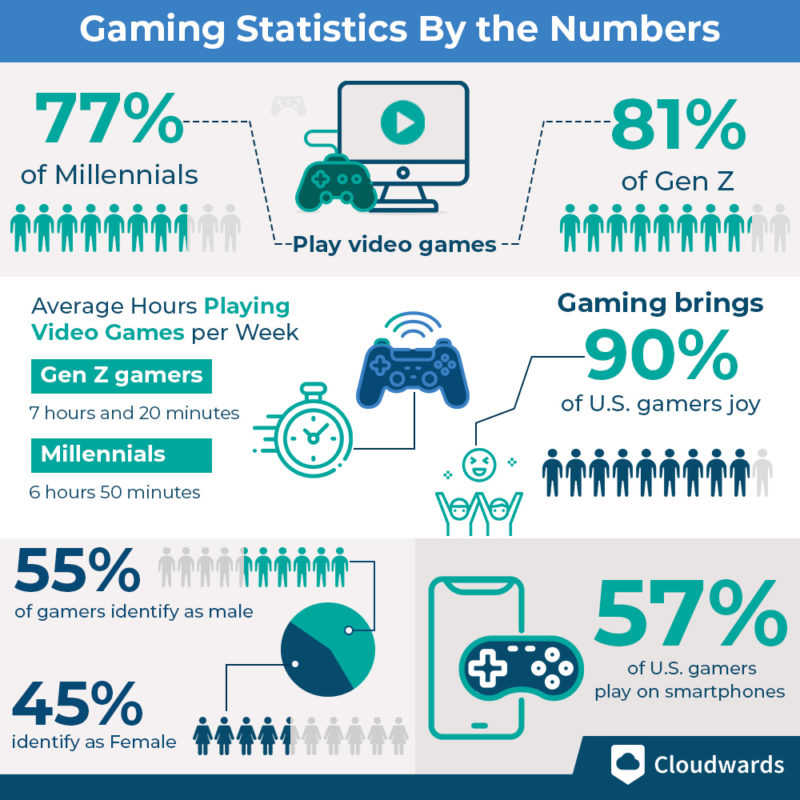
Today, gaming isn't just about pixels and play; it's a vibrant social ecosystem. With 87% of US gamers regularly logging in for an average of 10+ hours a week, and mobile gaming dominating the landscape, these virtual worlds have become new social commons. From intense cooperative missions to relaxed virtual hangouts, games provide unique spaces to build friendships, de-stress, and even develop new skills. But how exactly does this fit into *your* life, especially when time is a precious commodity? Let's dive into the specifics of this social gaming revolution and how you can make the most of it.
How has gaming fundamentally changed the way we socialize today?
Gaming has evolved from a niche hobby into a mainstream social activity, completely reshaping how we connect. No longer confined to arcades or living rooms, social interaction in gaming now spans global networks. Players form strong bonds through shared experiences in cooperative and competitive titles, overcoming challenges together, or simply chatting while exploring virtual worlds. These interactions often extend beyond the game itself, moving to platforms like Discord, where friendships deepen through voice chat, text, and shared memes. For many busy adults, gaming offers a flexible, low-pressure way to maintain connections with old friends and forge new ones, fitting into schedules where traditional meet-ups might be impossible. This shift has made gaming a primary social outlet for millions.
What are the key platforms and tools facilitating social gaming in 2026?
The landscape of social gaming in 2026 is rich with diverse platforms and tools designed to foster connection. Beyond the games themselves, dedicated communication applications are crucial. Discord remains king, offering robust voice and text chat, server customization, and seamless integration with many popular games. In-game voice and text chat systems have also become more sophisticated, allowing for immediate communication during gameplay. Cross-play functionality across PC, consoles (PlayStation, Xbox, Nintendo Switch), and mobile devices means friends can play together regardless of their preferred hardware, significantly expanding social circles. Emerging VR/AR social hubs are also gaining traction, offering immersive, albeit still niche, ways to interact in virtual spaces. Game-specific companion apps and online forums also play a role in community building.
How do online gaming communities differ from traditional social groups?
Online gaming communities often boast a unique blend of global reach and shared passion, setting them apart from traditional social groups. Unlike geographical friendships, gaming communities connect individuals across continents, united by a specific game, genre, or even a particular playstyle. These groups can be intensely focused on a shared objective, fostering rapid camaraderie through teamwork and mutual support. While traditional groups might form around school, work, or local interests, gaming communities emerge from a common digital space, allowing for more diverse backgrounds and perspectives. The anonymity or semi-anonymity of online interaction can also encourage more open communication and a willingness to engage, though it also requires attention to online etiquette and safety.
What are the benefits of social gaming for busy adults balancing life and work?
For adults juggling jobs, families, and endless commitments, social gaming offers a treasure trove of benefits. Firstly, it provides an accessible form of relaxation and stress relief. A quick hour with friends in a virtual world can effectively decompress after a demanding day. Secondly, it's a flexible way to maintain and forge friendships. You don't need to coordinate elaborate plans; a quick invite can get a game going, making it easier to stay connected with distant friends or meet new people with shared interests. Thirdly, many social games involve problem-solving, teamwork, and strategic thinking, offering a fun way to keep skills sharp. Lastly, it offers a sense of belonging and community, combating potential feelings of isolation in an increasingly digital world, all without having to leave the comfort of home.
How can gamers find compatible friends and communities online?
Finding your tribe in the vast online gaming world can seem daunting, but it's very achievable. Start by exploring in-game communities and official forums for titles you enjoy; many games have built-in guild or clan systems designed for this. Discord is an excellent resource: search for servers dedicated to your favorite games, genres, or even specific playstyles (e.g., 'casual co-op gamers'). Many content creators and streamers also host active Discord communities. Don't be afraid to use your microphone or in-game chat to engage with players you encounter naturally; a friendly interaction can often lead to a friend request. Participation in smaller, niche communities or even local gaming groups online can also yield more focused and compatible connections. Persistence and an open attitude are key.
What role does cross-play and mobile gaming play in modern socialization?
Cross-play and mobile gaming have become colossal drivers in the evolution of social gaming. Cross-play, the ability for players on different platforms (PC, Xbox, PlayStation, Switch) to play together, has demolished previous barriers, meaning your friend on PC can finally team up with you on your console. This dramatically expands potential friend pools and ensures established friendships aren't limited by hardware choice. Mobile gaming, incredibly accessible and often free-to-play, has brought gaming to a massive, diverse audience. Its pick-up-and-play nature means quick social sessions are possible anywhere, anytime, allowing for impromptu connections during commutes, breaks, or while waiting. Both technologies prioritize convenience and inclusivity, cementing gaming's role as a pervasive social activity.
Are there any downsides or challenges to social gaming and how can they be managed?
While social gaming offers many positives, it's not without its challenges. Toxicity, harassment, and griefing can unfortunately be present in some online environments. Managing this involves utilizing in-game reporting features, muting problematic players, and choosing to play in well-moderated communities or with trusted friends. Another challenge is balancing screen time with real-life responsibilities; setting boundaries, scheduling game time, and ensuring you still engage in offline activities are crucial. Potential for addiction, though less common, also exists; self-awareness and seeking support if gaming becomes compulsive are important. Finally, maintaining privacy and personal security online is paramount. Always be cautious about sharing personal information and use strong, unique passwords for all accounts.
How do esports and content creators influence social interaction within gaming?
Esports and content creators are pivotal in shaping modern social interaction within gaming. Esports events, whether watched live or streamed, create shared experiences for millions. Fans gather online to discuss strategies, cheer for their favorite teams, and celebrate victories, forming vast, temporary communities around these shared spectacles. Similarly, streamers and YouTubers act as social magnets. Their communities, often centered around platforms like Twitch and Discord, offer spaces for fans to interact not only with the creator but also with each other. These creators often foster positive, inclusive environments, serving as catalysts for friendships among their viewers who share a common appreciation. This creates a powerful layer of social interaction around the *culture* of gaming, not just the gameplay itself.
What are the future trends in social gaming to look out for?
Looking ahead, several exciting trends are set to further evolve how gaming changes the way we socialize. We'll likely see continued integration of AI companions and NPCs, offering more dynamic and personalized social interactions within solo or smaller group play. The metaverse concept, while still evolving, promises more immersive and persistent virtual social spaces where gaming intersects with other activities like concerts, shopping, and work. Enhanced haptic feedback and more accessible VR/AR technologies will make virtual presence feel even more real. Cloud gaming will further reduce hardware barriers, making high-fidelity social experiences available to more people. Expect more sophisticated tools for toxicity management and personalized matchmaking, ensuring healthier, more compatible social connections for everyone.
As busy adults, we often seek ways to decompress and connect that fit our demanding schedules. Gaming has stepped up, offering not just entertainment, but a dynamic, flexible, and deeply social experience that helps us maintain friendships, build new ones, and even learn. From the camaraderie of a co-op mission to the relaxed banter in a Discord server, the ways gaming has changed the way we socialize are profound and ever-growing. It’s a powerful tool for connection in our modern world.
What’s your biggest gaming challenge when it comes to connecting with friends? Comment below and share your experiences!
FAQ Section
How much time do US gamers spend socializing in games weekly?
Recent data indicates that US gamers average over 10 hours per week playing games, and a significant portion of this time involves social interaction, whether through cooperative gameplay, competitive matches, or simply hanging out in virtual spaces and voice chats like Discord.
Is gaming a healthy way to maintain long-distance friendships?
Yes, gaming is an excellent and often preferred method for maintaining long-distance friendships. It provides a shared, interactive activity that goes beyond just talking, creating new memories and experiences together virtually, bridging geographical gaps effectively.
What are 'cozy games' and how do they foster social connection?
Cozy games are titles focused on relaxation, creativity, and gentle progression rather than intense competition. Games like Animal Crossing or Stardew Valley encourage collaborative building, shared exploration, and non-stressful interaction, fostering warm, low-pressure social connections.
Can I make new friends in gaming without voice chat?
Absolutely. While voice chat is popular, many games offer robust text chat, emotes, or even non-verbal communication systems that allow for social interaction. Joining text-based Discord servers or in-game guilds also provides avenues for connection without needing to speak.
How does balancing gaming with family life impact social connections?
Balancing gaming with family life is key. Scheduling dedicated gaming slots, involving family in some games, and setting clear boundaries ensures that social gaming enhances, rather than detracts from, real-life relationships. Communication with family about gaming time is crucial for harmony.
Are free-to-play games good for social gaming?
Many free-to-play (F2P) games are excellent for social gaming as they lower the barrier to entry, allowing more friends to join without an upfront cost. Titles like Fortnite, Apex Legends, and Call of Duty: Warzone are prime examples, boasting massive, active social communities.
Gaming now a primary social hub, fostering connections across distances. Emergence of strong online communities via platforms like Discord and in-game chats. Offers unique stress relief and skill-building opportunities for busy adults. Cross-play and mobile gaming enhance accessibility and broaden social circles. Balancing gaming with real-life commitments is key to a healthy social experience. Esports viewing and creator influence shape modern social interactions. Value of social gaming for relaxation, fun, and maintaining friendships.
33

The Importance Of Gaming Culture In 2025 Graphic Eagle Importance Of Gaming Culture 2025 . Video Games 2026 Key Trends Shaping The Future Of Play Mavigadget Blog . Future Technology Games Future Of Gaming Trends To Watch In 2024 . 23 Online Gaming Statistics Facts Trends For 2026 Gaming Statistics By The Numbers 1 800x800 . Social Media For Gamers 10 Ways To Boost Your Game Marketing Game FMahFyTd5M


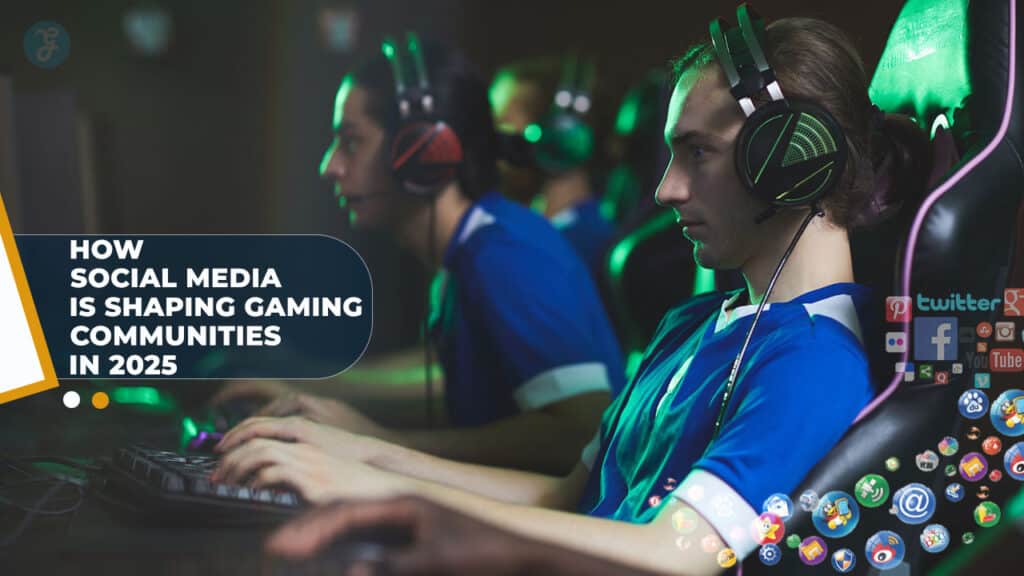
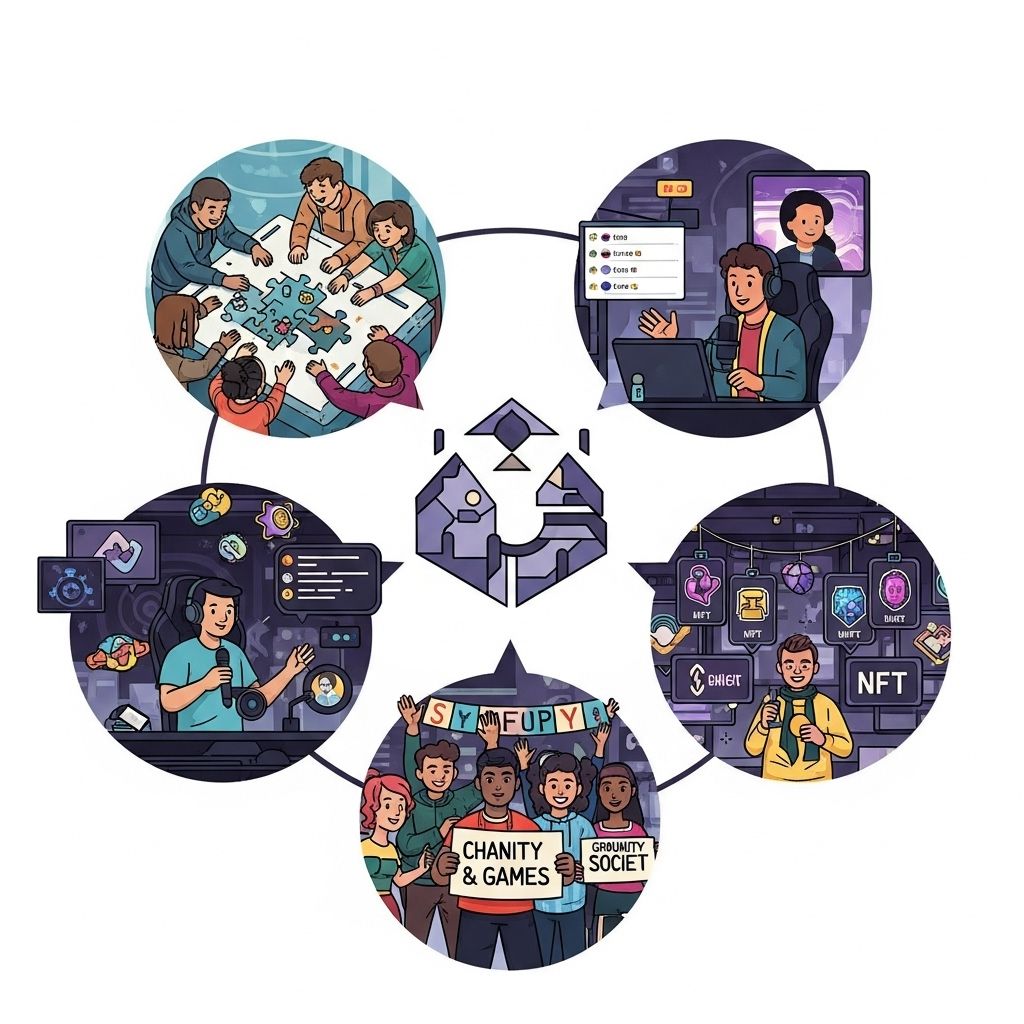
Insights On Gaming Successes And Challenges Jan 2026 LevelUpTalk Gaming Community Discussion 01 03 2026 324efc9c 87c1 480f 8aaa. The New Social Environment Of Gaming The Ways That Gaming Has Changed. How Social Media Is Shaping Gaming Communities In 2025 Trends And Impact How Social Media Is Shaping Gaming Communities In 2025 The Future Of Interaction 1024x576 . The Future Of Gaming Communities Evolution In 2025 Graphic Eagle Gaming Communities Evolution 2025 1 . How Gaming Has Changed The Way We Play Nothing 2 HIDE 2149829144

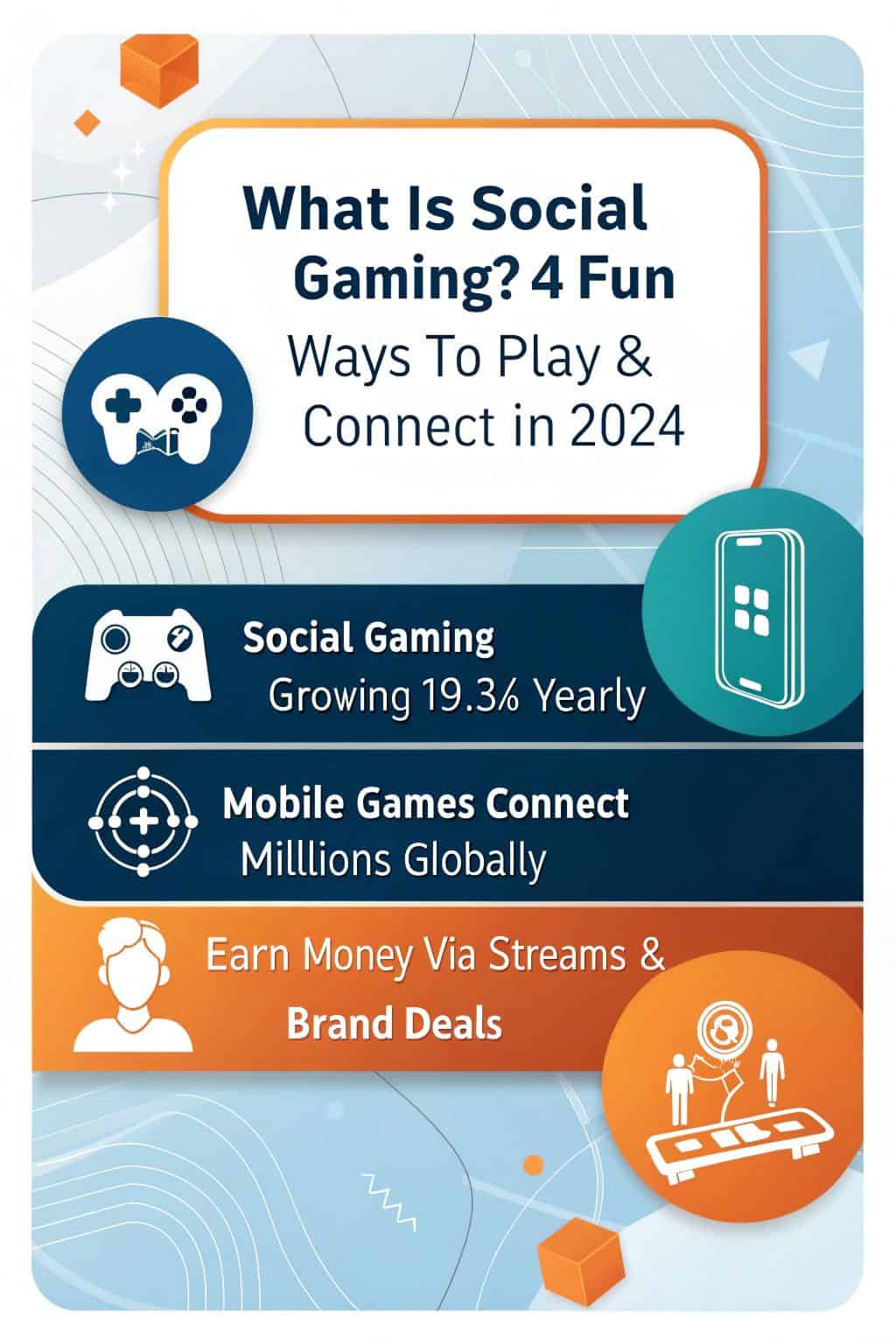

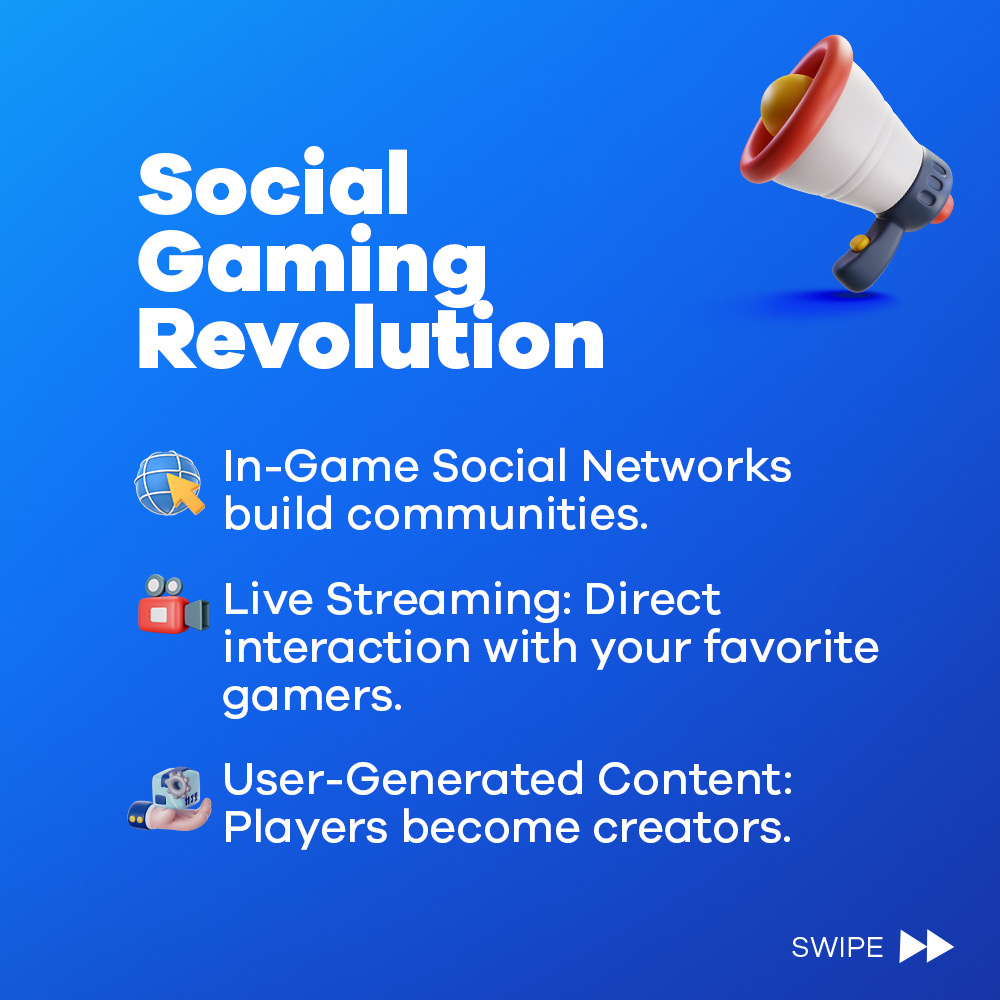

The Evolution Of Gaming In 2025 Diversity Platforms And Generative Videogames GDC Report 450x298 . What Is Social Gaming In 2024 4 Fun Ways To Connect What Is Social Gaming 4 Fun Ways To Play 26 Connect In 2024 0737 . NuxyNews Gaming Has Changed A Lot In 2026 Every World Feels Sharper Media. 2025 Mobile Gaming Trends What S Here To Stay And What S Next IMG 6088 . How Online Gaming Has Changed Social Interaction Social Media Girls Forum Screenshot 948

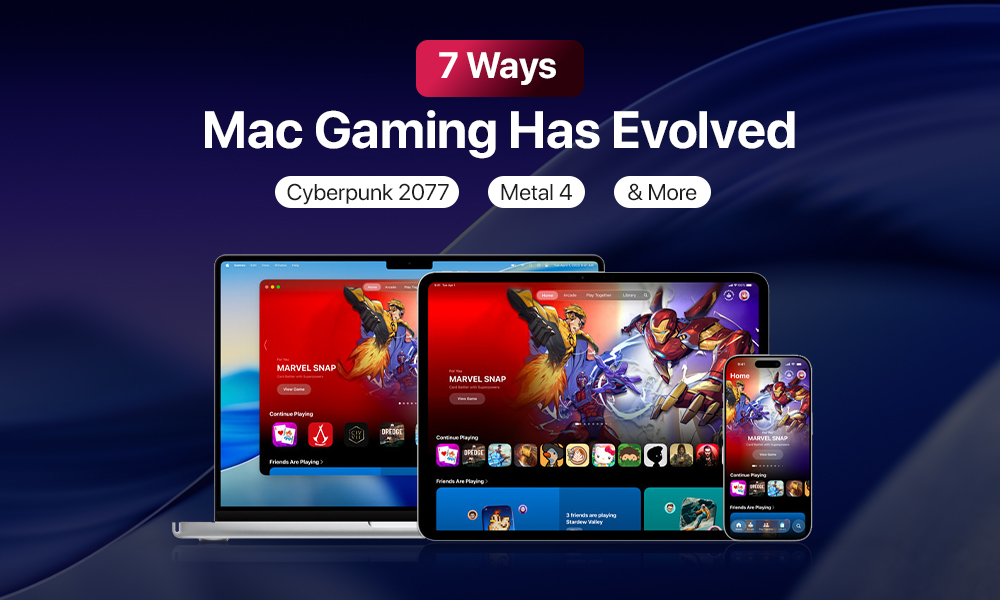

How Video Game Is Competition To Location Based . Gaming Effects On Social Life At Eve Collie Blog 238276 Orig . 7 Ways Mac Gaming Has Changed In 2026 A Complete Guide 7 Ways Mac Gaming Has Evolved In 2025 Cyberpunk 2077 Metal 4 More . April Gaming Calendar 2026 New Game Releases Events Must Play Titles Game Smarter In 2026 With Philips Evnia . LinkedIn In 2026 The Game Has Changed Frank Furness 20260130 1428 Image Generation Simple Compose



Newzoo Report Reveals Gaming Trends Across Generations In 2023 GAM3S GG Image. How The Video Game Industry Has Leveled Up Chart Gaming Uses . Chart The Future Of Gaming Is Digital Statista 1180 . How Social Gaming Is Changing The Way We Play 2025 03 10 192735 . How Technology Has Changed The Way We Socialize Co Uk Attached To Technology


.png)

Why Is Technology Considered To Change The Way We Socialize In The Why Is Technology Considered To Change The Way We Socialize In The Digital Age . 50 Years Of Gaming History By Revenue Stream 1970 2020 Game Revenue Timeline Shareable Updated . Social Gaming Trends How To Leverage Them Beamable June 14 2021 . How Gaming Became The Most Affordable Way To Socialize In 2026 GameTyrant Unnamed (1) . AI In Gaming Industry In 2026 How Works Challenges EvaCodes Ai In Gaming


The Impact Of Gaming On Society Social Course Hero 180 . How Online Games Are Social Hawk Live Health Games 12803 . 2026 Is The Biggest Year Ever For Gaming